
Kathie Lee & Hoda: Canine Separation Anxiety
Do you ever leave your dog at home alone only to come back to a home in shambles, thanks to canine separation anxiety? Believe it or not, that is a thing, and may be playing a part in your dog’s unruly behavior when you’re not at home. Animal activist Jill Rappaport, who owns five dogs herself, knows a thing or two about canine separation anxiety, and came on the show to provide some insight into it. For additional insight, she also brought Dr. Nicholas Dodman, an animal behavior planning expert.
Kathie Lee & Hoda: How To Treat Canine Separation Anxiety
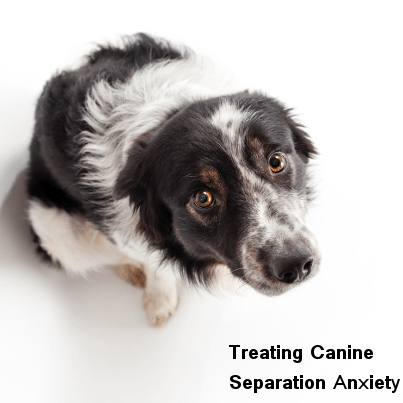
Canine separation anxiety is a serious but treatable condition.
Even though you may think it’s cute that your dogs miss you so much and get so frantic when you aren’t around, it is actually a very serious condition that can be life threatening to the dog. Though some dogs are just acting out, those that do have it will manifest the disorder by having an accident on the floor, whining, or barking excessively.
To treat this, make your exits as unceremonious as possible. Avoid yelling heartfelt goodbyes to your dogs. It is things like this that trigger the problem. So, if your dog is acting up, they can be helped if you use the proper techniques.
FRAP: Frenetic Random Activity Period
Hoda’s dog has the tendency to randomly go out of control, running all over her apartment in no particular direction, and these behavioral outbursts actually have a name. A FRAP, as it’s called, which stands for “Frenetic Random Activity Period,” can usually be a pretty fun time for both the owner and the dog, but when it gets to be too much, a lid needs to be put on it.
Kathie Lee & Hoda: How To Prevent FRAP In Dogs
If you want to reduce the amount of FRAP’ing (I keyed that phrase just now. Remember that) your dog does every day or to eliminate it entirely, you need to get your dog sufficient exercise. Dogs are on a nearly constant energy overload, and without proper exercise, that will manifest itself in a FRAP. A good amount of exercise will curb these.

Leave a Reply